
How to Maintain Pavers in Polk County, Florida
Learn how to maintain pavers in Polk County, FL. AllBrick Pavers shares tips to protect your investment from heat, rain, and wear year-round.

Rael Lara

If you have a driveway, patio, pool deck, or walkway with pavers in Polk County, you already know how much these surfaces add beauty and value to your home. But Florida's climate — with its intense summer heat, heavy afternoon storms, high humidity, and subtropical sun — puts pavers under enormous stress every year.
Knowing how to properly maintain pavers is what separates a surface that looks brand new after ten years from one that's cracked, stained, and overrun with weeds after two. This guide covers the regular maintenance every Polk County homeowner should be doing — season by season, step by step.
Why Polk County's Climate Demands Special Attention
Central Florida's climate is unlike the rest of the country. Polk County residents deal with average summer temperatures that frequently exceed 90°F, afternoon storms that dump inches of rain in minutes, and humidity levels that promote organic growth — algae, mold, and moss — on any surface that isn't properly maintained.
Pavers are highly durable, but they aren't maintenance-free. Without regular care, the sand between joints erodes, weeds take hold, algae makes surfaces slippery and unsightly, and the sealer that protects against stains and UV fading breaks down. The good news is that learning how to maintain pavers is straightforward — it just needs to be done consistently.
Monthly Maintenance: The Basics for Keeping Pavers Healthy
Monthly maintenance doesn't take much time, but it makes a significant difference over the long run. Here's what to do every month:
- Sweep regularly: Loose debris like leaves, dirt, and grass clippings retain moisture against the surface, encouraging algae growth and staining. A simple sweep with a stiff broom every two weeks prevents buildup.
- Rinse the surface: A garden hose rinse after heavy pollen weeks or dry spells removes surface grime before it settles into the pavers. Avoid using a pressure washer monthly — it's too aggressive for routine cleaning.
- Inspect the joints: Check the spaces between pavers for signs of sand erosion, weed sprouting, or ant nests. Early detection allows for easy corrections.
- Clear drainage areas: Rain in Polk County is intense. Make sure water flows freely away from the paved surface. Standing water is the leading cause of shifting and joint erosion.
Quarterly Maintenance: Deeper Cleaning and Weed Control
Every three months, it's time to go a little deeper. Florida's growing season is aggressive — weeds don't take a break. Quarterly care keeps them from getting established.
Pressure Washing the Right Way
Quarterly pressure washing is one of the most effective ways to maintain pavers in Polk County. Use a wide-angle nozzle (40 degrees or more) and keep pressure between 1,200 and 1,500 PSI. High-pressure washing with a narrow nozzle blasts out joint sand, which creates bigger problems down the road.
Weed and Moss Removal
Pull visible weeds by hand when joints are damp after rain — they come out much more easily. For moss and algae, a diluted white vinegar solution (equal parts vinegar and water), applied and left for 30 minutes before rinsing, is an effective and paver-safe treatment. Avoid bleach — it discolors pavers over time and kills surrounding lawn and landscaping.
Annual Maintenance: Joint Sand and Sealing
The two most important annual maintenance tasks for Polk County pavers are replenishing joint sand and applying sealer. These two steps are considered by professionals to be the foundation of long-term paver health.
Replenishing Sand
Sand is added to compact the pavers. Over time, especially after periods of heavy rain, this sand is washed away and needs to be replenished.
To replenish: spread new sand over the surface, working it into the joints with a broom. Avoid doing this before a storm, the sand needs to set, not wash away.
Sealing Your Pavers
Sealing is arguably the single most important long-term maintenance step for pavers in Florida's climate. A quality sealer does several things at once: it protects against UV fading (critical here in Polk County, where sun exposure is extreme), creates a barrier against oil and food stains, inhibits weed growth in the joints, and gives the surface a finished appearance.
Most sealers in Florida's climate need to be reapplied every 2 to 3 years, though high-traffic areas like driveways may need it annually. Always clean the surface thoroughly and let it dry completely before applying sealer — ideally, choose a stretch of dry days with low humidity.
How to Handle Specific Problems Common in Polk County
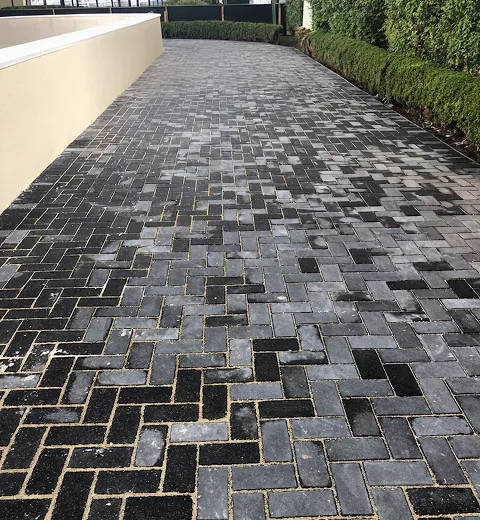
- Efflorescence (white haze): This chalky white film appears on paver surfaces when water carries natural mineral salts to the surface. It's common in new installations and after heavy rain seasons. Use an efflorescence cleaner specifically formulated for pavers — avoid acid-based cleaners, which can etch the surface.
- Sunken or shifted pavers: Florida's sandy soil, combined with heavy rainfall, can cause erosion or shifting of the base beneath pavers. If you notice uneven spots, address them quickly. Sunken pavers pool water, accelerating damage to the surrounding area.
- Rust stains: Irrigation systems are everywhere in Polk County, and rust stains from iron-rich well water are a common complaint. Use an oxalic acid-based rust remover, applied carefully and rinsed thoroughly.
- Oil or grease stains (driveways): Absorb fresh spills with cat litter or baking soda, then treat with a degreaser. Sealed driveways are far more resistant to this type of staining.
Seasonal Checklist for Polk County Homeowners
Here's a quick-reference seasonal calendar to make it easy to track paver maintenance throughout the year:
- Spring (March–May): Deep clean after the dry season, inspect joints and replenish sand, apply or assess sealer condition, pull early weeds.
- Summer (June–August): Monthly sweeping and rinsing, check drainage after storms, spot-treat algae and moss, avoid pressure washing during peak rainy season.
- Fall (September–November): Post-storm inspection, top off joint sand, remove hurricane season debris, evaluate whether sealing is needed before year-end.
- Winter (December–February): Light sweeping, watch for frost-related cracking (rare but possible), plan and schedule larger maintenance projects for early spring.
When to Call the Professionals
Some paver problems go beyond what you can handle on your own. If you're dealing with large areas of sunken or shifted pavers, widespread base failure, deep structural cracking, or a surface that has gone years without maintenance and sealing, professional intervention will save you money in the long run.
At AllBrick Pavers, we work with Polk County homeowners to install, restore, and maintain paver surfaces built to withstand everything central Florida's climate can throw at them. Whether you need a full restoration, a professional sealer application, or expert guidance on maintaining what you already have — we're here to help.
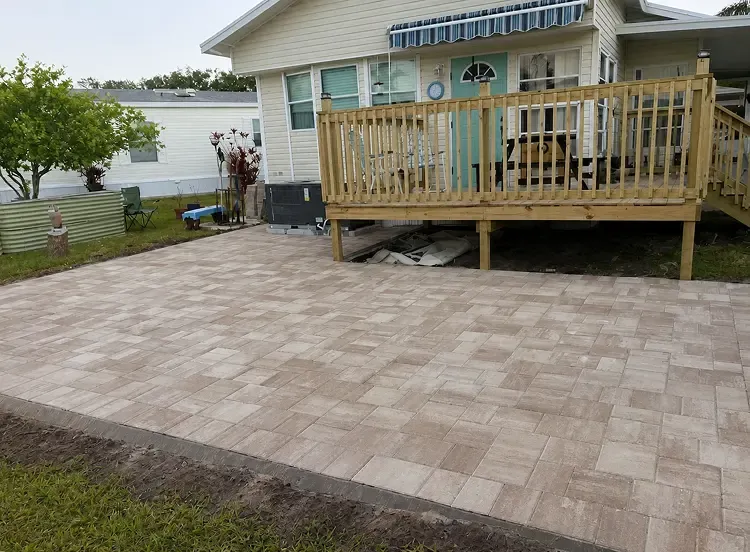
Ready to give your pavers the care they deserve? Contact AllBrick Pavers today and let's talk about your Polk County property.

About Rael Lara
Rael Lara is the founder of AllBrick Pavers, Central Florida's leading paver contractor, transforming outdoor spaces with precision and lasting quality since 2018.